Download this story for FREE on PDF!
 A line of city
police and county sheriff’s deputies held back the crowd, pushing them back as
they pressed closer and closer to the stage and podium erected in front of the
Galena General Offices. At the front of
the crowd stood Giovanni Hernandez, standing at an unintimidating 5’6” but
holding his ground nonetheless. Today
was his eighteenth birthday and he’d checked himself out of school for the
day. This was, after all, a special
occasion.
A line of city
police and county sheriff’s deputies held back the crowd, pushing them back as
they pressed closer and closer to the stage and podium erected in front of the
Galena General Offices. At the front of
the crowd stood Giovanni Hernandez, standing at an unintimidating 5’6” but
holding his ground nonetheless. Today
was his eighteenth birthday and he’d checked himself out of school for the
day. This was, after all, a special
occasion.
 “We cannot
tolerate this strain on our forces to fight a war that has not made us
safer. I will restore our strength by
ending this war, completing the increase of our ground forces by 65,000
soldiers and 27,000 marines, and investing in the capabilities we need to
defeat conventional foes and meet the unconventional challenges of our
time. We can bring our troops home in
sixteen months. I want the Iraqis to
take control of their own future and their own stability so we can be at peace
once again.”
“We cannot
tolerate this strain on our forces to fight a war that has not made us
safer. I will restore our strength by
ending this war, completing the increase of our ground forces by 65,000
soldiers and 27,000 marines, and investing in the capabilities we need to
defeat conventional foes and meet the unconventional challenges of our
time. We can bring our troops home in
sixteen months. I want the Iraqis to
take control of their own future and their own stability so we can be at peace
once again.”
 Nearly four
years later Giovanni was on his third combat tour, slogging through a river
bank with his platoon as the ceaseless sun baked down on them and their Afghan
counterparts. Wary villagers eyed them
from a distance. He looked up at the
merciless sun in the heated blue sky and thought of Kiara and how radiant she
looked on that day four years ago, joyful hope written all over her face. She was the last person on his mind as an AK
bullet slammed into his neck. He hit the
ground hard and was met by a second round that vigorously tore through his
femoral artery.
Nearly four
years later Giovanni was on his third combat tour, slogging through a river
bank with his platoon as the ceaseless sun baked down on them and their Afghan
counterparts. Wary villagers eyed them
from a distance. He looked up at the
merciless sun in the heated blue sky and thought of Kiara and how radiant she
looked on that day four years ago, joyful hope written all over her face. She was the last person on his mind as an AK
bullet slammed into his neck. He hit the
ground hard and was met by a second round that vigorously tore through his
femoral artery.
Senator Obama
A short story by
Zach Foster
Based on “LBJ” by Walter Jones
The sun shined
bright as a cool breeze swept through Galena, Illinois. The trees were illuminated to glow an
unusually brilliant shade of green as the energy in the air was high, almost
electrically charged. A large crowd at
least a thousand strong had gathered on Main Street which was closed to cars
for the morning.
 A line of city
police and county sheriff’s deputies held back the crowd, pushing them back as
they pressed closer and closer to the stage and podium erected in front of the
Galena General Offices. At the front of
the crowd stood Giovanni Hernandez, standing at an unintimidating 5’6” but
holding his ground nonetheless. Today
was his eighteenth birthday and he’d checked himself out of school for the
day. This was, after all, a special
occasion.
A line of city
police and county sheriff’s deputies held back the crowd, pushing them back as
they pressed closer and closer to the stage and podium erected in front of the
Galena General Offices. At the front of
the crowd stood Giovanni Hernandez, standing at an unintimidating 5’6” but
holding his ground nonetheless. Today
was his eighteenth birthday and he’d checked himself out of school for the
day. This was, after all, a special
occasion.
The growing
crowd of people continued to lurch forward as more excited onlookers tried to
push their way to the stage. Everyone
pushing to the front did so only in his or her own interest, but they unknowingly
acted in unison as a mob and sent the leviathan pushing forward into the line
of police. Giovanni held his
ground. He hadn’t woken up extra early
and waited all this time just to lose his place in front.
From the back
side of the stage, the Jo Daviess County Sheriff ascended the steps and stood
next to the podium with a megaphone in his hand. One of the deputies behind the stage made an
unintelligible radio call. He nodded to
the sheriff who seemed to have been expecting a signal. His expression changed. Raising the megaphone to his face, he
addressed the crowd. “Ladies and gentlemen,
we’ve just received word that Senator Obama has just landed at Heller
Airport. His motorcade is on its way
here now.
The crowd
exploded in cheers. The energy had just
increased tenfold and Giovanni was incredibly excited. What better way to spend his birthday than
seeing the next President of the United States?
Minutes passed. He looked past the stage and saw in the near distance a small crowd of
hecklers. There were only five of them,
and they held signs with some of the strangest messages. One of their signs said “End this war!” while
another read in large red painted letters “Clinton = Bush” on the top row and
“Obama = McCain” on the bottom row. Next
to that activist was a woman wearing a POW-MIA t-shirt who held up a sign
saying “4,127. How many more?” The most
noticeable in their little group was dressed like one of the minutemen from the
Revolutionary War as he proudly held up a yellow flag with a snake outlined in
black over the words “Don’t tread on me!”
Next to him was a muscular young man in his mid-twenties with a crew cut
holding up a Ron Paul campaign sign.
“What are they
doing here?” Giovanni heard himself wonder out loud.
A random man
to Giovanni’s left, wearing tight black jeans and a faded t-shirt with a French
cap over his balding head, answered his query. “They’re the Ron Paul
people. They’re waiting to heckle
Obama.” He looked to be in his mid-thirties
though he had the aura of a college student.
“I’ve never
even heard of that guy,” Giovanni replied in bewilderment.
“Most people
haven’t,” said the man. “I give him
credit for wanting to bring the troops home, but the rest of his platform is
crazy. Totally loony. So not that many people pay attention to
him.”
“Oh.” Giovanni had nothing else to say. He was bewildered at the idea that any
anti-war activists would support anyone other than Obama, let alone the strange
concept of an anti-war Republican in the year 2008.
Out of nowhere
arrived a team of men wearing black suits and dark sunglasses, flanking the
stage behind the line of police. One of
them hopped onto the stage and said something in the sheriff’s ear. The sheriff nodded and handed over the
megaphone to the Secret Service agent.
“Ladies and gentlemen,” the agent blared at the crowd, “Senator Obama
will be here in just a moment. For his
safety and for yours as well, we need everyone to move back at least ten steps
away from this stage.”
People
grumbled and boos emerged from the crowd.
There was no way Giovanni was about to back up without everyone else
backing up first. He’d arrived extra
early for his place at the front.
The agent
demanded once more, “Move back, ladies and gentlemen, or else Senator Obama’s
motorcade will turn around. This is for
everyone’s safety!”
People began
to halfheartedly shuffle back upon being threatened with not seeing their
hero. When Giovanni shuffled back he
accidentally bumped into a pair of breasts.
“Oh, sorry!” he and the woman exclaimed anxiously at the same time. When he whipped his head around to apologize,
it took him a split second to realize that the thin, curvy frame, stout bosom,
shiny skin, and long black locks of hair belonged to Kiara Williams.
“Oh, hey!” she
greeted his dumbfounded face. It took
him a moment to replace his befuddled look with a sheepish smile. “Hey,” he replied. He wished he had something clever to say.
“You came to
see Obama too?” she asked with a smile as she touched his upper arm in a
congratulatory manner, hardly even realizing she did so. Her smile was perfect, just like out of a
Hollywood headshot.
“Wouldn’t miss
it!” he answered with a beaming grin.
Kiara went to his high school and was in his grade. She even sat near him in his history
class. She was a breathtakingly beautiful
black girl who could easily have been a glamor model in magazines. She had no idea what a crush he had on her.
The electric crowd
erupted in cheers as a line of police motorcycles flanking a shining black SUV
turned the corner onto Main Street, approaching the stage and coming to a slow
stop. Exiting the vehicle first were two
bodyguards, finally followed by the man of the hour. The crowd went insane as Senator Barack Obama
made his way up the stairs, waving as he approached the podium. In his youthful aura he seemed to feed off
the energy of the crowd and return it in greater amounts, sending off wave
after wave of positive vibrations that had people jumping up in down in tears
of joy. Giovanni heard Kiara shout
“Obamaaa!!!”
Every race and
creed could be seen in this crowd almost acting in unison. Many of these people seemed to genuinely love
the young Senator from their home state.
Many people wore Obama campaign t-shirts and held up the famous red,
turquoise and navy blue posters of him.
Others held up artistic signs on which Barack’s trademark red, white and
blue “O” was superimposed over the peace symbol. People from all walks of life were truly
uniting around Barack Obama. This was
how Giovanni was certain his hero would be the next President.
The Senator
raised both his hands and then brought them down in unison, signaling for the
crowd to quiet down. A hush fell over
the entire assembly.
“Boy, is it
great to be back in Illinois!” Another
cheer erupted, though it faded quickly as Giovanni, Kiara, and a thousand other
people hung onto his every word. “I see
those peace signs that some of you are holding and it gives me hope. It gives me hope that many Americans are finally
awakening and uniting to bring change to America.”
The crowd
nearly exploded in cheers and applause as the word “change” echoed a hundred
times throughout the assembly.
“Ladies and
gentlemen, together we can end this war in Iraq, and we can bring a responsible
conclusion to the fighting in Afghanistan.
It is unacceptable that seven years after 3,000 Americans were killed on
our own soil, the terrorists responsible for 9/11 are still at large. We can find Osama Bin Laden and Al Zawahiri
and bring them to justice. We will soon be
able to bring our troops home, and we must begin by ending the war in Iraq.”
Applause
thronged and the peace signs shook and waved on the mention of ending the
war. Giovanni cheered as well, and felt
Kiara’s breath and energy as she applauded and shouted in agreement.
 “We cannot
tolerate this strain on our forces to fight a war that has not made us
safer. I will restore our strength by
ending this war, completing the increase of our ground forces by 65,000
soldiers and 27,000 marines, and investing in the capabilities we need to
defeat conventional foes and meet the unconventional challenges of our
time. We can bring our troops home in
sixteen months. I want the Iraqis to
take control of their own future and their own stability so we can be at peace
once again.”
“We cannot
tolerate this strain on our forces to fight a war that has not made us
safer. I will restore our strength by
ending this war, completing the increase of our ground forces by 65,000
soldiers and 27,000 marines, and investing in the capabilities we need to
defeat conventional foes and meet the unconventional challenges of our
time. We can bring our troops home in
sixteen months. I want the Iraqis to
take control of their own future and their own stability so we can be at peace
once again.”
The assembly
broke into the loudest segment of cheering and applause yet. Giovanni wasn’t left out. He cheered and whooped until his voice was
hoarse. He was genuinely pleased at the
possibility that the war would end and America would return to peace. He would be able to join the Marine Corps
during peacetime, see the world, and then go to college on the GI Bill. He would get a degree, find a good job, and
never have to struggle to make ends meet like his immigrant parents.
“Let’s be
clear on something,” Obama continued, “Senator McCain would have our troops
continue to fight tour after tour of duty, and our taxpayers keep spending ten
billion dollars a month indefinitely.”
The entire crowd booed and hissed the mention of John McCain. Giovanni eagerly awaited the next statement.
“My campaign
is still about hope. It’s still about
change. We can change the country. We can change the world. Change is coming to America. It is time to stand for CHANGE!”
Sparks flew
and hats were thrown in the air as the entire crowd screamed praises for the
Senator. Obama then stepped away from
the podium, stepped off the front of the stage, and began shaking the hands of
admirers as the two bodyguards scrambled to flank him. Dozens of people were pushing past the line
of police to get to Obama. Giovanni
barely managed to reach past two city cops when he saw Obama approaching. He was overwhelmingly stupefied and star
struck when he saw and felt Obama squeeze his hand.
“St. Louis,
Senator, St. Louis!” one of the bodyguards shouted into the Senator’s
preoccupied ear. If we don’t leave now,
we’ll miss the fundraiser!” Giovanni’s
adrenaline was pumping and he hardly noticed Obama turn around with his
bodyguards and re-enter the SUV. The
crowd chanted in unison as the motorcade drove away: “O-ba-ma! O-ba-ma!
O-ba-ma!”
When Giovanni
came to his senses he was looking into Kiara’s ecstatic face. She screamed in hysterical joy, “Oh my God,
Obama touched your hand!” and she threw herself at him in a full embrace, her
bosom pressed tightly against his chest and her arms locked around the
shoulders of the boy she knew who had touched the legendary Barack Obama. She let go and was absorbed by the crowd as
if it were an amoeba looking to expand.
What a hell of
an eighteenth birthday! He not only got
to see his hero but shook his hand as well!
On top of that, he had something to talk about with the girl he was
sweet on. He would never forget this
incredible day.
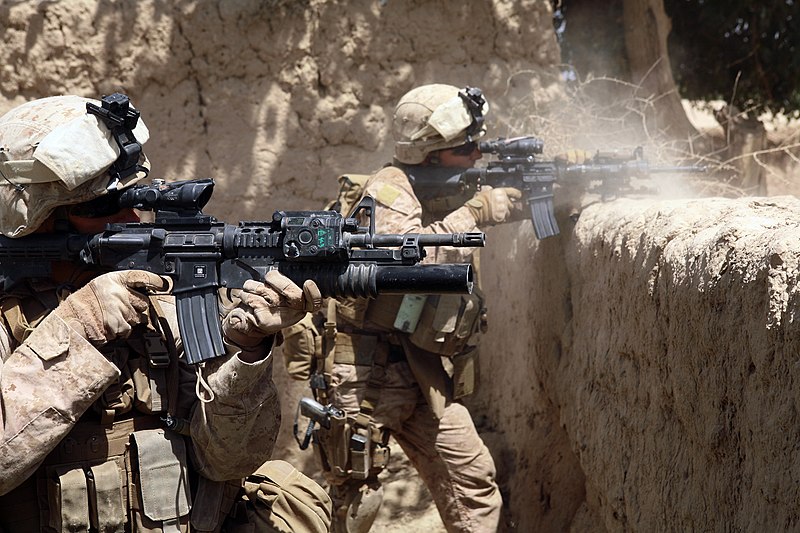 Nearly four
years later Giovanni was on his third combat tour, slogging through a river
bank with his platoon as the ceaseless sun baked down on them and their Afghan
counterparts. Wary villagers eyed them
from a distance. He looked up at the
merciless sun in the heated blue sky and thought of Kiara and how radiant she
looked on that day four years ago, joyful hope written all over her face. She was the last person on his mind as an AK
bullet slammed into his neck. He hit the
ground hard and was met by a second round that vigorously tore through his
femoral artery.
Nearly four
years later Giovanni was on his third combat tour, slogging through a river
bank with his platoon as the ceaseless sun baked down on them and their Afghan
counterparts. Wary villagers eyed them
from a distance. He looked up at the
merciless sun in the heated blue sky and thought of Kiara and how radiant she
looked on that day four years ago, joyful hope written all over her face. She was the last person on his mind as an AK
bullet slammed into his neck. He hit the
ground hard and was met by a second round that vigorously tore through his
femoral artery.
Days before
his twenty-second birthday, Giovanni Hernandez died of gunshot wounds in the
Helmand River Valley.
"Only the dead have seen the end of the war."--Plato
END
* * *
If you have an opinion on US intervention in Syria, take a look at this idea for action in Syria that involves no US troops.
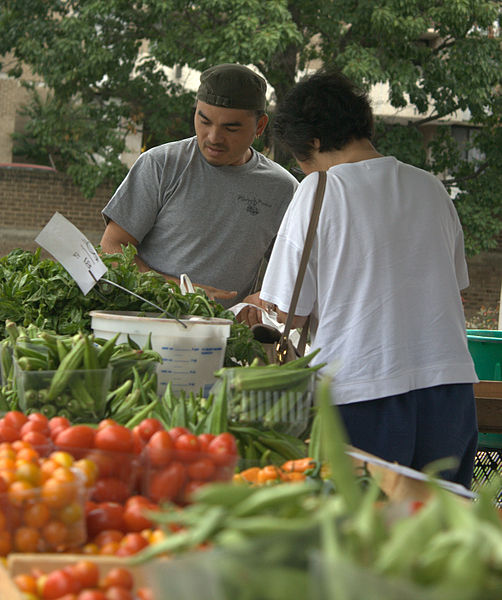
Obama family photo by Ben Stanfield and used via CC BY-SA 2.0 license. Military photos are by the US government and in the public domain. All images were obtained from Wikimedia Commons.
If you'd like to see more libertarian fiction stories, PLEASE LEAVE A COMMENT HERE and say so.